
Editorial resource · Surabaya, Indonesia
About Checkup Indonesia
An editorial resource about routine preventive screening for adult men in Indonesia. Most material in this space is written to sell a package. Very little of it explains what the tests are, when they are typically suggested, or how to prepare for them.
See also: the age-based checkup scheduleWritten for readers, not buyers
Every page here starts from a plain question: what happens at the appointment, what the markers measure, and what a summary sheet is actually telling you. No package pitch sits between the question and the answer.
Indonesian terms kept
Guidance is written in English with the Indonesian vocabulary you meet on forms and package tables at the clinic. That vocabulary is part of understanding what you are agreeing to.
How the pages are checked
Guidance pages are reviewed periodically against publicly available material — government health education, national reporting on the free screening program, and provider-published panel descriptions.
Send an editorial questionNo provider pays for coverage
Packages are described when their published marker lists help explain what a routine panel commonly includes. That description is not an endorsement, and no hospital or clinic pays for the mention.
What a website cannot do
Reading here does not diagnose, treat, or replace a clinician who has your history in front of them. That boundary shapes every page on this site.
Read the screening panels explainerWe write the second kind of material.
How the material is researchedA finding aid for the appointment ahead.
Checkup Indonesia exists because the practical half of the checkup conversation is missing. A man booking a screening in Surabaya or anywhere else in Indonesia can usually find a price and a package name. What is harder to find is a straight answer to what each marker measures, which ages the panel is typically discussed at, and what the clinic expects from him on the morning of the visit. Those are the pages this site publishes.
The editorial approach is deliberately unglamorous. Each guidance chapter is written to be read once, before the appointment, and re-read when a summary sheet arrives. Cross-references are kept visible as links so a reader can move from an age band to a panel explainer without losing the thread. Nothing here is written to create urgency — a routine checkup is a scheduled, ordinary piece of adult maintenance.

The editorial office is administrative. No checkup takes place in it.
What we do
We publish plain-language explanations of routine checkups for men: age-based schedules, panel and marker explainers, preparation guidance, and notes on how checkup summaries are structured.
Everything is written in English with the Indonesian terms you will see on forms and package tables, because that vocabulary is what you encounter at the clinic. We do not sell checkups, and no provider pays for coverage here.
The work on each page
-
Schedules by age
Which routine panels are typically discussed at each age band, and how the recommendations widen as a man moves through his forties and fifties.
-
Panel and marker explainers
What a lipid profile, fasting glucose, HbA1c, PSA, urine test, or blood-pressure reading is looking at, in ordinary sentences.
-
Preparation guidance
Fasting windows, what to bring, how to time medication questions, and what the morning of the appointment usually looks like.
-
Reading a summary
How a checkup summary is laid out, what reference ranges mean on a printed sheet, and which questions are worth carrying to a consultation.
What we do not do
This is the more useful half of an editorial policy, so it is written plainly.
We do not diagnose or treat
Individual results are not interpreted here. A result only carries meaning in a conversation with a clinician who has your history, your medication list, and the context of the appointment.
We do not rank hospitals
No clinic, hospital, or package is recommended over another. What matters varies by city, by insurance route, and by which panels are actually available on the day you book.
We do not quote prices
Prices change and vary between a community health centre and a private package. A comparison of what is included is more useful than a catalogue of figures that will be outdated within months.
We do not replace a consultation
A website cannot substitute for a clinician. That boundary is why the pages here stop at explaining and preparing, and hand the actual conversation back to the appointment.
How the material is researched
Three source families sit behind the guidance pages, and each is used differently.
See also: understanding your checkup summaryGovernment health education
Public material describing which routine screenings are discussed for adult men, and at what stage of life they tend to come up.
National reporting on the free program
Coverage of Indonesia's free screening program, including how it is described to the public and what the practical route through it looks like.
Provider-published panel lists
The marker lists private providers publish themselves, used to describe what a package contains without endorsing the package.
How a source becomes a page
When a provider package lists specific markers, we describe what that package contains without endorsing it. When national reporting describes how the public program works, we explain the practical implication for a man deciding where to go. The question a page has to answer is not what a policy document says, but what the reader will actually meet at the door.
Where the source material is silent on something a reader asks often — the exact fasting window, what to bring, whether a referral is needed — the page says so rather than filling the gap with a guess. Saying what is not known is part of the editorial approach.
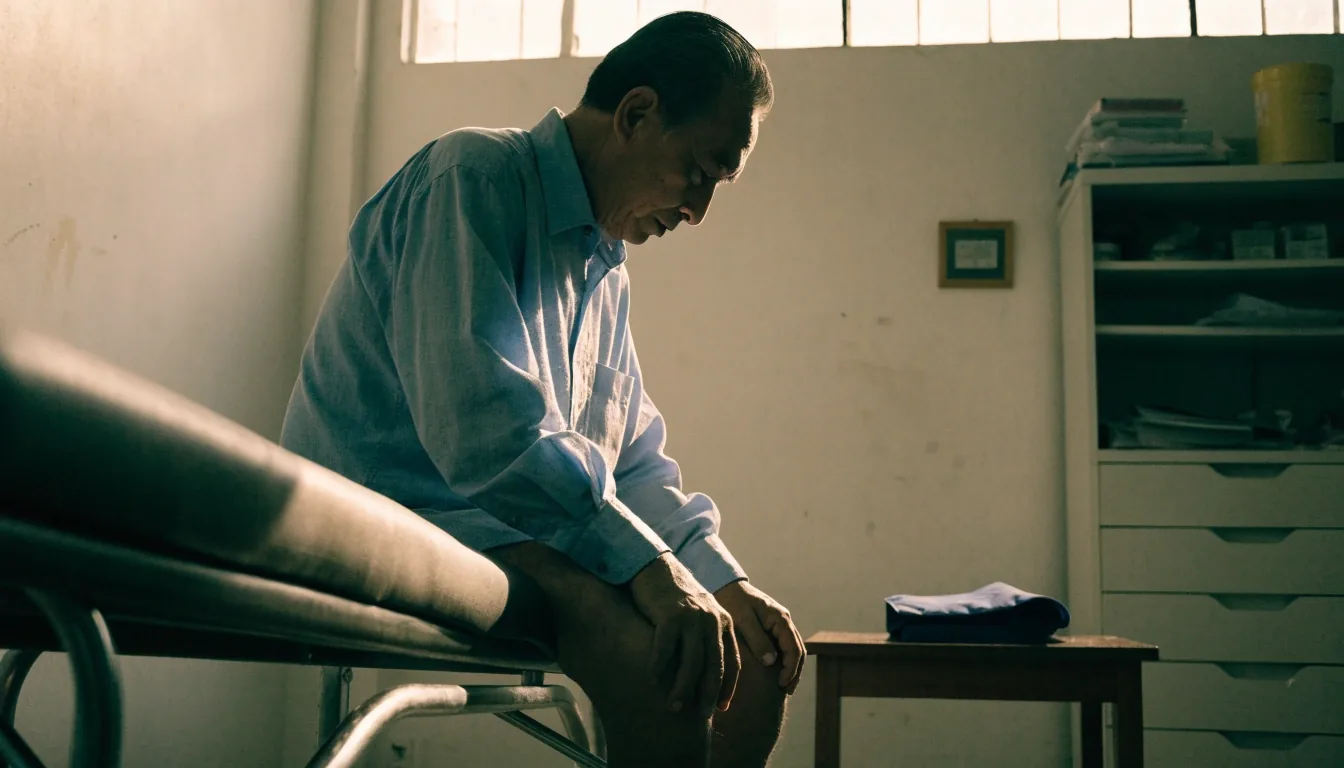
Guidance written to be read once before the appointment, then re-read after it.
How the site stays current
Screening practice and the public program change, and a guidance page that quietly falls out of date is worse than no page at all.
Periodic review
The guidance pages are reviewed on a regular editorial cycle and rewritten when the underlying source material moves — not restyled, rewritten.
What changed in the program
National reporting has described expansions in coverage of the free screening program and, in January 2026, a policy focus on follow-up care rather than testing alone. When those descriptions shift, the pages here need to shift with them.
Dated where it matters
When a change is significant, the material is dated so a reader can tell whether a page predates or follows the shift. Readers who spot a page that looks stale are asked to say so.
Who this is written for
Booking a first checkup
Adult men in Indonesia who have decided to book a routine checkup and want to understand what the appointment involves before they walk in.
Reading a summary properly
Men who have been going for years and want to read their summaries better — what a reference range is, and which numbers are worth asking about.
Told to get screened
Men who have been advised to get screened and are unsure what that involves in practice, particularly across the difference between a community health centre visit and a private package.
The tone assumes no medical background. Indonesian terms are used where they appear in practice, and explained the first time they come up.
Where we are
The editorial office is in Surabaya, at Jl. Diponegoro No. 18, Darmo, Wonokromo, Jawa Timur, 60241. That address is administrative.
We do not provide clinical services at it, and no checkup takes place there. If you need medical attention, contact a clinic or health facility directly.
- Editorial office
- Jl. Diponegoro No. 18, Darmo, Wonokromo, Surabaya, Jawa Timur, 60241
- Phone
- +62 31 561 9185
- Editorial email
- [email protected]
- Reachable
- Monday to Friday, 09:00–18:00; Saturday, 09:00–14:00
Corrections and reader input
If something on this site is inaccurate, unclear, or out of date, tell us. Corrections from readers who have actually been through a checkup in Indonesia are the most useful input we receive, because they reflect what happens in practice rather than what a policy document describes.
-
A correction: name the page and the specific item that looks wrong. Screenshots of a summary sheet are welcome if you have one, but a sentence describing it is enough.
-
A question: if a page left something unclear about how a panel is explained or how the schedule reads, that gap is worth reporting on its own.
-
A topic suggestion: if the guidance is missing the practical thing you actually needed at the clinic, describe it and it will be considered for a page.
We stay in the lane we can do well.
A note on scope
This site covers routine preventive screening and general checkup guidance. It deliberately avoids disease-specific treatment content, symptom diagnosis, and anything that reads like medical advice for a condition you already have.
If you are dealing with a specific health concern, the right resource is a clinician, not an editorial website. A guidance page can prepare you for a conversation; it cannot hold one.
Questions readers ask
The four that come up most often, answered the same way they would be on any guidance page here.
Who writes the content on this site?
The material is produced by the Checkup Indonesia editorial team based in Surabaya. It draws on publicly available government health education, national reporting on Indonesia's free screening program, and the panel descriptions published by private providers. It is reviewed periodically and updated when the underlying sources change.
Does Checkup Indonesia provide medical advice?
No. We explain what panels measure, how checkup schedules are typically structured by age, and how to prepare for an appointment. We do not diagnose, treat, or interpret individual results. That happens in a consultation with a qualified clinician who has your history.
Are you affiliated with any hospital or provider?
No. We describe provider packages when their published panel lists are useful to explain what is commonly included, but we do not endorse them, and no provider pays for that coverage. We also do not sell checkup packages ourselves.
How do I report an error?
Use the contact page and describe the page and the specific item you believe is incorrect. Reader corrections are reviewed by the editorial team and applied where the source material supports the change. We appreciate corrections that come from direct experience with the checkup process in Indonesia.
Where to go next
Start with the schedule that matches your age, then the panel explainer.
The age-based schedule sets out which routine panels are typically discussed at each stage. The panel explainer takes the marker names you will see on a package table and describes what each one is looking at, in ordinary sentences.
Editorial questions: send them through the contact page.